
Fall is the season of changing leaves, cooler evenings, and getting your home ready for what's ahead. Before freezing temperatures arrive, it's worth setting aside some time to tackle maintenance projects that can help protect your home and outdoor spaces throughout winter.
Some tasks only take a few minutes, while others may turn into a weekend project. Either way, addressing potential trouble spots now is often easier than discovering them in the middle of winter.
Use this checklist to get started.
Cold drafts around windows and doors can make your home less comfortable and may contribute to higher heating costs.
Walk around your home and look for damaged caulk, worn weatherstripping, visible gaps, or areas where daylight can be seen around closed doors.
Depending on what you find, fall projects may include:
Make sure any caulk or sealant you use is appropriate for the application and current weather conditions.
Outdoor plumbing deserves attention before freezing weather arrives.
Disconnect garden hoses from exterior faucets and drain them before putting them away for the season. Leaving a hose connected can trap water and increase the risk of freeze-related problems.
Depending on your home's plumbing and climate, additional winterization may be necessary for exterior faucets, irrigation systems, or other outdoor water lines.
If you're unsure about the correct winterization procedure for your plumbing system, consult a qualified professional.
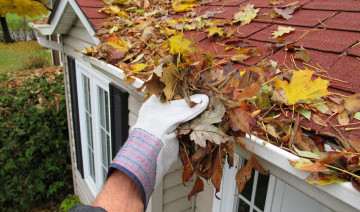
Falling leaves can quickly fill gutters and block downspouts.
Clogged gutters can prevent rain and melting snow from draining properly, potentially allowing water to overflow near siding, foundations, walkways, or landscaping.
Remove leaves and debris, then check that downspouts are clear and directing water away from the house.
While you're working, look for loose gutter sections, damaged fasteners, leaks, or other areas that may need repair.
Always use appropriate ladder safety practices, and consider calling a professional when gutters are difficult or unsafe to access.
You don't necessarily need to climb onto the roof to give it a basic inspection.
From the ground or another safe location, look for obvious signs of trouble such as missing or damaged shingles, loose flashing, sagging areas, or debris buildup.
After fall storms, check the surrounding property for shingles or roofing materials that may have come loose.
Roof repairs can present serious fall hazards, so leave work that requires climbing or specialized knowledge to a qualified roofing professional.
Take a walk around your home's exterior and pay attention to places where different materials meet.
Small openings around utility penetrations, trim, siding, windows, and doors may allow moisture or cold air to enter.
Also look at visible areas of the foundation for new or changing cracks. Minor cosmetic issues and significant structural problems aren't the same, so seek professional guidance if you discover substantial cracking, movement, or other concerning changes.
Snow and ice can make already-loose exterior features even more hazardous.
Check porch and deck boards, stairs, handrails, and other outdoor walking surfaces. Tighten or repair loose components where appropriate and replace badly deteriorated materials.
Clear leaves and debris that can hold moisture against surfaces or make walkways slippery.
If a deck, porch, or staircase appears structurally unstable, have it evaluated before making cosmetic repairs.
If you have exterior touch-ups left on your project list, don't wait too long.
Paints, stains, caulks, and sealants usually have specific temperature and weather requirements for proper application and curing. As fall progresses, suitable working days may become less frequent.
Prioritize exposed wood, damaged finishes, and other areas where maintenance can help protect materials from winter moisture.
Always follow the product manufacturer's instructions regarding surface preparation, application temperatures, drying time, and weather exposure.
Fall rain can reveal areas where water isn't draining as expected.
After a rainy day, walk around the property and look for standing water, erosion, clogged drains, or downspouts depositing water too close to the foundation.
Clear obvious debris from drainage paths and make sure water can move away from the house.
Significant grading, foundation, or drainage problems may require professional evaluation.
Before winter weather arrives, clean up outdoor spaces and properly store seasonal items.
This may include:
Clean tools before storage and address any maintenance they need. You'll appreciate having clean, organized equipment when spring arrives.
The best time to look for a snow shovel isn't during the first snowstorm.
Check your winter supplies now. Depending on your property and local conditions, you may want to have snow shovels, ice-management products, windshield scrapers, traction aids, and other winter essentials ready.
If you already own snow-removal equipment, inspect it before it's needed. Complete recommended maintenance and make sure you understand how to operate it safely.
Once your outdoor maintenance is complete, colder weather doesn't have to mean the end of project season.
Fall and winter can be great times to focus on indoor improvements such as painting, replacing trim, installing shelving, organizing a workshop, updating hardware, or tackling minor repairs.
Make a list now so you have a few projects ready when outdoor conditions become less cooperative.
You don't need to complete every home improvement project before the first freeze. Focus on maintenance that protects your home from cold temperatures, moisture, snow, and ice, then prioritize the rest based on urgency.
A few productive fall weekends can go a long way toward preparing your property for winter. Inspect your home, gather the tools and materials you need, and start checking those seasonal projects off your list before colder weather arrives.